
5 Reasons You Want A Nest In Your Community



















The Nest Model
A Human-Tech Framework for Community Resilience
The Nest Model introduces a framework for living, thriving, and not just surviving. The model invites exploration and open dialogue, allowing communities to discover how The Nest Model aligns with its community values and their future vision. — sustainability in action.
Explore The Nest Model
Roadrunners are known for navigating danger through awareness, speed, and strategy rather than flight. Their distinctive X-shaped tracks, long regarded by Native American cultures as protective symbols, reflect resilience, intelligence, and the ability to move forward even when direction is unclear. This symbolism forms the living foundation of The Nest Model.
The Nest Model is a public-facing enterprise resource planning and ecommerce system for human development — designed to organize, connect, and deliver the social, educational, wellness, and economic resources youth and communities need to grow stronger. Rather than operating behind closed doors, the system remains visible, adaptable, and accountable to the people it serves.
At the center of The Nest Model are young people — affectionately sometimes called nest babies — who are supported through an integrated human-tech ecosystem that nurtures mind, body, and spirit while remaining functional in a changing world. Each Nest functions as a coordinated environment where mentorship, learning pathways, wellness access, creative expression, and opportunity networks converge through one framework.
Every Nest is intentionally designed as a safe, supportive space where young people can grow, heal, and unlock their potential. By working as a community hub, the Nest Model ensures that no resource, mentor, opportunity, or pathway operates in isolation. Instead, each element is woven into a shared structure that promotes confidence, resilience, and healthy living.
As nest babies move beyond their local Nest, they carry with them more than skills — they carry clarity, courage, and preparedness. They become not only stronger individuals, but informed contributors to their communities and catalysts for meaningful change. Their growth creates ripple effects that extend far beyond personal success, strengthening families, cultures, and local economies.
Through this living system, The Nest Model accelerates both individual transformation and collective advancement — proving that when human development is treated as infrastructure, entire communities rise together.
Grow Our Youth
Build and Sustain Local Talent Pipelines
A nest is more than a youth space—it’s a long-term investment in local talent. Nest internship programs help young people become job-ready, stay rooted in their communities, earn recognition they deserve, and strengthen the local businesses that depend on the Nest Interns.
Grow Our City
Grow Safer, Stronger Local Economies
When young people are supported, communities are safer and more stable—crime drops, retention improves, and the community earns value. For business and civic leaders, this means healthier workforces, stronger consumer bases, and rising property values. Nests are a visible, practical way to build trust.
Step Into Leadership
Lead With Trust and Responsibility
Supporting or starting a Nest positions you as a leader who invests in people and the future. For public officials, it signals a commitment to safety and family wellbeing. For organizations and local businesses, it strengthens credibility, deepens community loyalty, and builds real relationships through shared impact.
Here. It Will Make More Sense . . .
Figure It Out Quickly
Core Structural Components of a Nest
- eCommerce Hub for Locals to Introduce their Products to the world, allowing them to focus on just the harvest and returning support back to The Nest while boosting the local economy.
- Youth Hangout Space + Modern Tech Access offering a safe space away from home where youth can access necessities, modern tech, and practical support.
- Public-Facing Enterprise Resource Planning system demonstrating transparency for locals, investors, and/or donors; plus data collection that supports analysis for any current or future campaigns.
- Marketing Hub + Workforce Development Where youth intern and where local businesses and municipalities are supported—building channels for human development, community growth, and resource retention.
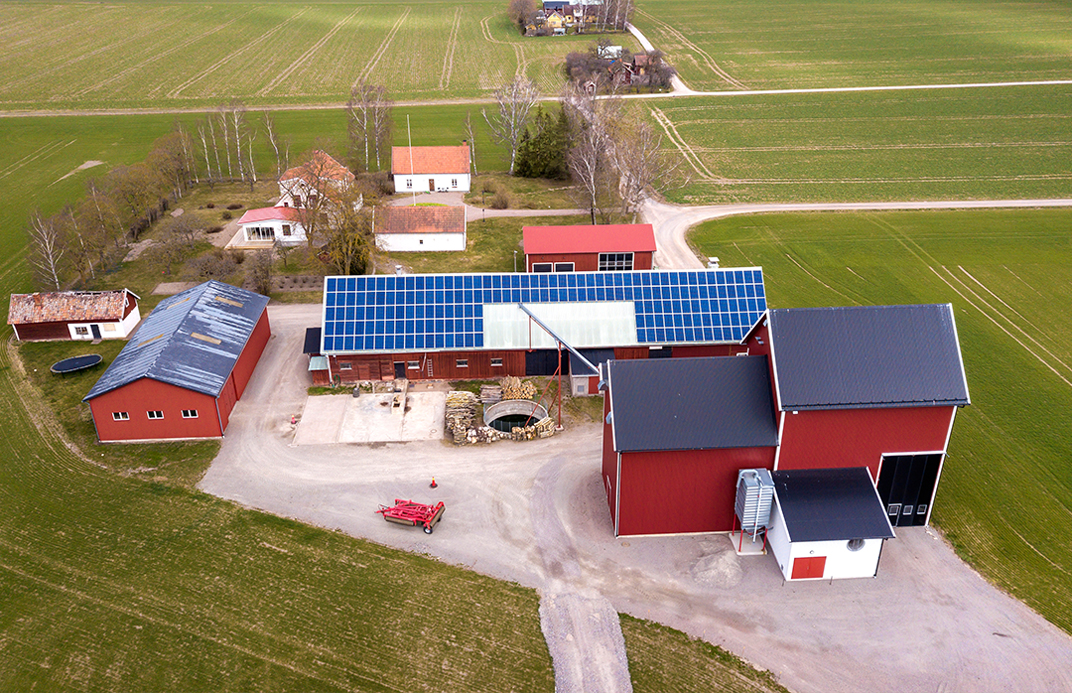
- Independent Space for Self-Sustaining Living Models. Space to cultivate and farm, helping communities feed themselves and supply the Nest Model’s eCommerce hub.
- Human + Culture Development Through Healthy Multi-Generational Human Interactions. Culture is grown and preserved through healthy multi-generational connections—creating more opportunity, fewer future mistakes, and more wins through local culture campaigns.
The Nest Model's Core Components






Active Leaders + Community Partners
We're Sending Business Your Way with Affiliate Referrals + Creating Fresh Marketing Content for YOUR Business from Our Nests
What do I get for helping a nest?
Trustworthy Content and Trustworthy Products Matter More Than Ever in an AI-Driven World

Nest Affiliate Benefits
-
Referral Tracking
Nest Intern teams promote your products/services using your existing affiliate links, brand guidelines, and offer terms. Each brand is assigned a designated Nest Intern for campaign planning, content creation, and link placement. If you don’t currently have an affiliate system, Roadrunners’ Nest will set up an agreed-upon tracking method (unique links, codes, landing pages, or platform tracking). The Nest platform can also provide tracking when needed. -
Content Amplification
Your brand is featured in Nest-created educational and community content across programs. Nest Interns serve as trusted messengers inside youth and community ecosystems—helping your brand show up in context, not as interruption. -
Qualified Traffic + Trust
Instead of ad fatigue, trust is built through mission-aligned placement and real use. When audiences see your product or service used in credible, community-driven content, it strengthens brand confidence and improves downstream conversion over time. -
Scalable Exposure
One partnership can extend across multiple Nests and programs. Campaigns can run on an agreed schedule with KPI reporting and performance insights to improve future rounds. If needed, campaigns can be targeted or exclusive by region based on your goals. -
The Value Exchange
Partners provide product(s) or service access for ongoing use by Nest Intern teams. This fuels authentic reviews, practical demonstrations, and long-term content—making campaigns more credible and effective.
Nest Affiliates receive consistent brand visibility through Nest content placements and referral-based promotion through their existing affiliate program. Participation is open to any organization with an active affiliate offering, or the ability to establish an affiliate agreement. To become a Nest Affiliate, organizations must meet the same qualification guidelines required of Nest Community Partners. Nest Affiliates are required to meet the same qualification guidelines as Nest Community Partners.
When affiliates step in as true community partners, they don’t just get more promotion — they become part of a future workforce pipeline and the trusted commerce ecosystem we’re building.
Nest Community Partner Benefits
Brand Promotion
Placement across Nest platforms, programs, and materials. When you share products or services, that allows Nest interns access to materials to create better videos, reviews, and feedback to your customers. This helps with more in-depth promotional material for your company.Active Brand Messaging + Trust
Demonstrate your brand supports mentorship, internship, and skill pathways. For new or emerging brands, you can show your target audience you’re comfortable enough with your product or service that you’ll allow annual use and consistent review from Nest Interns. Nest Interns authenticate your products and services in ways artificial intelligence cannot.Talent Visibility + Pre-Qualified
Early access to emerging, trained, purpose-driven workforce talent. Look to experienced Nest Interns as a quality talent pool for actual hire. They’re allowed to use Nest Tech Space as a remote workspace. Know what and who you’re hiring for salaried/hourly positions in your company.Community Equity
Your brand becomes associated with opportunity and development as a core artery for local function. Community equity makes annual campaigns turn into generational campaigns with a value that’s impossible to place a ceiling limit on; limitless.Long-Term Trust
Not just impressions — reputation and a reliable channel for qualified leads. Nest Interns authenticate the products and services you share for their use and review. Nest Interns refer back more qualified leads ready to buy. Those who follow Nest activities see for themselves the qualities and benefits Nest Interns experience.
Nest Community Partners receive strategic visibility, workforce engagement, and long-term brand equity through deeper collaboration. Nest Community Partner contributions may include product support, facility support, or program resources, depending on company type, services, and capacity.
Here Are Different Ways Anyone Can Get Involved
Individuals & Families
Individuals and families who care about opportunity, education, stability, and community growth naturally belong inside the Nest Model. This includes parents, caregivers, young adults, retirees, students, and anyone who believes safe spaces, shared resources, and access to guidance should not be luxuries. Whether you are seeking support, looking to contribute, or simply wanting a healthier environment for the next generation, the Nest is built for people who value growth over isolation.
Individuals and families participate by engaging with Nest programs, attending events, accessing educational tools, supporting youth, sharing skills, volunteering time, or becoming sustaining donors. Families may use the Nest as a resource hub, mentorship connection point, or learning environment, while individuals can contribute knowledge, creativity, or advocacy. Participation is flexible, human-centered, and designed to fit real lives — not rigid systems.
The Nest Model allows individuals and families to participate in a value-exchange ecosystem rather than a one-direction charity structure. Families contribute time, skills, participation, advocacy, or financial support while receiving access to education, wellness resources, mentorship pathways, and youth development opportunities. This reciprocal model strengthens dignity, accountability, and long-term engagement.
The Nest Model can negotiate exchanges such as:
Volunteer hours in exchange for youth program access or educational resources
Family participation in events in exchange for wellness or learning services
Micro-donations supporting scholarships or youth supplies
Parent skill sharing (finance, cooking, tech, trades, tutoring) for community credit
Advocacy and outreach support for expanded Nest services
Local Businesses & Employers
Local businesses and employers who value workforce development, ethical growth, and long-term community stability are a natural match for the Nest Model. This includes small business owners, entrepreneurs, service providers, manufacturers, retailers, and corporate leaders who understand that healthy communities create stronger economies and better talent pipelines.
Businesses participate by offering internships, apprenticeships, sponsorships, in-kind resources, training opportunities, mentorship, or financial investment into Nest programs. In return, they gain access to purpose-driven talent, brand trust, and long-term relationship equity within the community. The Nest allows businesses to grow while directly strengthening the human systems that support them.
The Nest Model enables businesses to convert corporate social responsibility into measurable workforce and brand value. Instead of simple sponsorships, businesses engage in structured exchanges that build talent pipelines, strengthen community reputation, and support long-term economic stability.
The Nest Model can negotiate exchanges such as:
- Internship and apprenticeship placements for youth
- Workforce training sponsorships tied to future hiring
- Equipment, software, or supply donations
- Financial sponsorship for branding and recruitment visibility
- Employee volunteer programs integrated into Nest operations
- Product or service discounts in exchange for community exposure
Nonprofits & Faith Communities
Nonprofits and faith-based organizations who serve people through compassion, education, recovery, outreach, or social development align naturally with the Nest’s mission. This includes churches, ministries, charities, foundations, advocacy groups, and service organizations that already work on the front lines of human needs.
These organizations participate by sharing resources, co-hosting programs, offering volunteers, contributing expertise, and aligning outreach efforts within the Nest ecosystem. The Nest provides a shared operational framework that allows missions to remain independent while multiplying impact through collaboration, data transparency, and community coordination.
The Nest Model provides nonprofits and faith organizations a shared infrastructure where missions can expand without duplicating systems. Partnerships focus on mutual resource exchange rather than competition for limited funding.
The Nest Model can negotiate exchanges such as:
- Shared volunteer networks
- Co-hosted programs and outreach initiatives
- Facility or space sharing agreements
- Staff training or curriculum exchange
- Joint grant applications
- Community referral pipelines
Health & Wellness Providers
Health and wellness professionals who believe in preventive care, mental health support, physical wellness, and holistic human development are vital partners in the Nest Model. This includes doctors, nurses, therapists, counselors, nutritionists, fitness professionals, alternative practitioners, and wellness educators.
Providers participate by offering services, workshops, screenings, referrals, education sessions, or subsidized care programs through the Nest network. The Nest allows providers to reach underserved populations while operating inside a trusted, organized, and ethically structured community platform that supports long-term well-being rather than crisis-only care.
The Nest Model allows providers to extend care into underserved communities while maintaining professional integrity and ethical structure. Partnerships are based on service access, prevention, and education rather than crisis-only intervention.
The Nest Model can negotiate exchanges such as:
- Free or reduced-cost screenings
- Educational workshops for youth and families
- Mental health and wellness referral pathways
- Internships for students in health fields
- Equipment or supply donations
- Sponsorship of wellness programs
Philanthropists & Corporate Sponsors
Philanthropists, foundations, and corporate sponsors who seek measurable impact, transparency, and sustainable community change belong inside the Nest Model. This includes individual donors, family foundations, corporate giving programs, and mission-driven investors who value results over optics.
They participate by funding programs, sponsoring facilities, underwriting technology, supporting youth initiatives, or investing in scalable Nest expansions. The Nest offers clear accountability, real-world outcomes, and visible human return on investment — turning generosity into lasting infrastructure rather than temporary relief.
The Nest Model offers donors a system where contributions become living infrastructure rather than one-time aid. Sponsorships are tied directly to outcomes, transparency, and long-term human development.
The Nest Model can negotiate exchanges such as:
- Program sponsorships tied to reporting and impact data
- Facility naming or recognition partnerships
- Youth scholarship funding
- Technology and innovation underwriting
- Workforce pipeline investments
- Expansion funding for new Nest locations
Builders, Trades, & Contractors
Builders, tradespeople, and contractors who believe in creating spaces that serve people — not just projects — are essential to the Nest ecosystem. This includes architects, electricians, plumbers, HVAC technicians, carpenters, engineers, designers, and construction teams who value meaningful work.
These professionals participate by helping build, maintain, improve, and expand Nest facilities, often while mentoring youth into skilled trades careers. The Nest creates a pathway where craftsmanship becomes legacy, skills become opportunity, and infrastructure becomes community empowerment.
The Nest Model transforms skilled trades into mentorship engines and legacy pathways. Trades professionals contribute expertise while building future workforce capacity.
The Nest Model can negotiate exchanges such as:
- Facility construction or renovation support
- Apprenticeship placements for youth
- Tool and equipment donations
- Trade education workshops
- Safety training programs
- Career pathway sponsorships
Land & Facility Partners
Landowners, property managers, developers, and facility partners who hold underused or adaptable spaces are uniquely positioned to power the Nest Model. This includes individuals, corporations, municipalities, and institutions who understand that real estate can be more than financial assets — it can be social infrastructure.
They participate by leasing, donating, sharing, or repurposing land or facilities for Nest use. In return, these spaces become living community hubs that generate value through education, safety, engagement, and long-term neighborhood revitalization while preserving ownership and strategic alignment.
Land and facility partners earn the term, “Partner,” by making significant contributions to facilitating a Nest in their community, or a community of their interest. They have the option to remain anonymous or receive community and global recognition for their significant support.
The Nest Model allows land and facility partners to turn physical assets into long-term social value while preserving ownership and strategic alignment.
The Nest Model can negotiate exchanges such as:
- Low-cost or donated facility use
- Shared maintenance partnerships
- Zoning and development collaboration
- Facility branding recognition
- Community revitalization alignment
- Long-term lease or expansion agreements
City, County, & Civic Leaders
City officials, county leaders, planners, and civic representatives who care about sustainable development, youth success, workforce readiness, and community health are core allies of the Nest Model. This includes mayors, council members, administrators, economic developers, and public service leaders.
They participate by aligning policy, resources, grants, data, and strategic planning with Nest operations. The Nest provides a practical, community-embedded system that supports public goals with real participation, measurable outcomes, and reduced long-term social strain.
City, County or civic leaders have the opportunity to integrate with the Nest in their jurisdiction. The Nest Model provides civic leaders with a practical implementation engine for policy goals, workforce readiness, youth development, and community health.
The Nest Model can negotiate exchanges such as:
- Grant funding alignment
- Program referrals
- Workforce development initiatives
- Data sharing and reporting
- Facility or infrastructure access
- Community engagement programming
Schools, Colleges, & Libraries
Educational institutions and learning centers that value access, inclusion, and lifelong growth naturally fit within the Nest ecosystem. This includes K-12 schools, colleges, universities, technical programs, libraries, and alternative education providers.
They participate by sharing learning resources, hosting programs, supporting mentorship pipelines, offering dual-credit or skill pathways, and integrating community learning models. The Nest extends education beyond classrooms and transforms learning into a living, connected, and purpose-driven experience.
Schools, colleges, and libraries (including digital stock libraries), can support all Nests, their local Nest, or a particular Nest of their choosing in many ways. The Nest Model extends education into real-world community ecosystems while maintaining institutional standards.
The Nest Model can negotiate exchanges such as:
- Dual-credit or certification pathways
- Internship and service-learning placements
- Curriculum sharing
- Library resource access
- Faculty mentorship involvement
- Youth enrollment pipeline support
Take A Moment to See Why This Works
The Nest Model brings together people at every stage of influence to grow stronger communities from the inside out.
Why Is Any of This Important?
Human–tech ecosystems ensure that technology serves people — not the other way around.
When systems are built around humans, communities gain access to tools, education, opportunity, and support in ways that strengthen dignity, safety, and long-term growth. Instead of isolating individuals, human-centered ecosystems connect youth, mentors, businesses, and leaders into shared pathways for learning, work, and leadership.
These ecosystems reduce gaps between education and employment, improve local resilience, and create environments where innovation benefits entire communities — not just institutions.
The Nest Model demonstrates how human–tech ecosystems can transform technology from a resource into a relationship, and from a system into a shared future.
Human–Tech Ecosystem Benefits
1. Human-Centered Design
Technology is organized around people, not systems.
2. Connected Opportunity
Youth, mentors, businesses, and leaders move through shared growth pathways.
3. Workforce Readiness
Education and real-world experience are aligned, not separated.
4. Community Resilience
Local talent, safety, and economic stability strengthen together.
5. Sustainable Impact
Innovation serves long-term human and community development.
Human–tech ecosystems transform technology from a tool into a relationship — and communities into systems that grow from the inside out.
Youth Benefits
1. Skill Development
Access to technical, creative, and leadership learning pathways.
2. Safe Belonging
Supportive environments built on dignity, stability, and trust.
3. Career Visibility
Exposure to real opportunities, mentors, and future pathways.
4. Personal Confidence
Growth through responsibility, guidance, and achievement.
5. Future Readiness
Preparation for meaningful participation in society and work.
Human–tech ecosystems give young people access to real tools, real guidance, and real futures — not just screens and theory.
Mentor Benefits
1. Purposeful Impact
Direct influence on youth growth and development.
2. Leadership Fulfillment
Opportunities to guide, teach, and inspire.
3. Community Connection
Stronger relationships across generations and roles.
4. Knowledge Transfer
Sharing experience in ways that create lasting value.
5. Personal Legacy
Contribution to future leaders and healthier communities.
Human–tech ecosystems turn lived experience into leadership — giving mentors a way to shape outcomes, not just offer advice.
Business Benefits
1. Workforce Pipeline
Early access to emerging, trained local talent.
2. Brand Trust
Association with community growth and opportunity.
3. Community Loyalty
Stronger relationships with local customers and families.
4. Leadership Visibility
Recognition as a contributor to human development.
5. Long-Term Stability
Investment in the future workforce and economy.
Human–tech ecosystems connect business to people — building talent pipelines, trust, and long-term relevance in the communities they serve.
Know What You're Involved With, And Where Investments or Time Is Spent
The Nest Model framework positions a Nest not as a charity, but as a transparent community operating system that:
- Streams donations into workforce pipelines
- Reduces volunteer burnout
- Converts space into social infrastructure
- Supports aging populations with smaller workforces
- Turns sponsorship into measurable outcomes
- Connects education to real opportunity
- Turns relationships into long-term stability
- Adapts to rising service demand with limited resources
Why The Nest Model Works
Why The Nest Model Works
Because it does not treat people as statistics — it treats them as systems.
The Nest Model transforms:
- Donations → into career pathways
- Facilities → into living community infrastructure
- Education → into real opportunity
- Partnerships → into shared responsibility
- Youth → into future leaders
- Communities → into ecosystems that sustain themselves.
Together, we are not funding programs.
We are building futures.
Take A Closer Look
Take a closer look at The Nest Model, who can start one, what it takes, and more. Find answers to frequently asked questions.
Let's Talk About This More
I’m ready to take action. I want to at least learn more and start a conversation…
Email: thenestmodel@gmail.com Express your interest in learning more about The Nest Model. Let us know how you anticipate becoming involved.
Review The Nest Supply List
Find a practical way to support and get involved, whether you’re giving time, resources, connections, or funding.
The Cost of Disconnected Systems
- Education separated from real workforce pathways
- Youth lacking access to mentorship and guidance
- Families navigating services in isolation
- Businesses disconnected from local talent
- Nonprofits duplicating effort without shared infrastructure
- Communities operating in silos instead of ecosystems
Connecting Disconnected Systems
- Education connected to employment pathways
- Youth connected to mentors and opportunity
- Families connected to shared community resources
- Businesses connected to future workforce pipelines
- Nonprofits connected through collaborative systems
- Communities connected through shared purpose
Value from Connecting Systems
By operating as a community ecosystem rather than a single program.
- Youth workforce readiness and career confidence
- Mental health access and early prevention
- Education-to-employment pathways
Volunteer retention and impact efficiency - Donor transparency and measurable outcomes
- Business workforce pipelines
Community trust and participation
Connecting Systems Outcome
And it restores something no program alone can create: belonging, voice, and shared ownership.
- Communities gain influence in shaping their future
- Youth gain confidence in their value and potential
- Families regain stability through connection
- Businesses regain trust through ethical alignment
- Cultures regain visibility and respect
People regain belief in each other
Frequently Asked + Anticipated Questions
Who Can Use The Nest Model?
Who Can Use The Nest Model?
The Nest Model can be used by communities, nonprofits, educational institutions, workforce organizations, municipalities, and cross-sector coalitions seeking to align education, employment, family support, and community resources into a coordinated system. It is designed for places where multiple stakeholders are working toward shared outcomes but lack a unifying framework.
How Can I Support A New Nest?
How Can I Support A New Nest?
New Nests can be supported through funding, partnerships, data sharing, program alignment, mentorship, employer engagement, and community leadership. Support does not require operating a program directly — it involves contributing to a shared system that strengthens outcomes across education, workforce, and family stability.
What Is Required To Get Started?
What Is Required To Get Started?
Getting started requires a committed local convener, engaged partners across sectors, a shared understanding of community needs, and a willingness to collaborate across organizational boundaries. The Nest Model builds on existing assets rather than replacing them, focusing on coordination, alignment, and shared goals.
How Do I Start A Nest?
How Do I Start A Nest?
Starting a Nest begins with identifying a community lead or backbone organization and bringing together key stakeholders from education, workforce, family services, and local employers. From there, the Nest Model provides a structured framework to map existing resources, identify gaps, align efforts, and establish shared metrics for success.
How Much Money Does It Cost?
How Much Money Does It Cost?
The cost of establishing a Nest varies based on community size, existing infrastructure, and scope. Rather than a fixed price, the Nest Model emphasizes scalable, right-sized investment that prioritizes coordination over duplication. Many communities leverage existing funding streams, grants, and partnerships to support initial implementation and long-term sustainability.
Data, Statistics, Issues.
Data that Illustrates the Socio-Economic Challenges The Nest Model Is Built to Address.
Economic Instability & Working Family Hardship
Short Answer
Income alone doesn’t reflect what families are actually navigating. Housing costs, childcare availability, medical expenses, transportation, and unpredictable work hours can push working households into crisis—even when they earn more than the official poverty threshold.
Income alone fails to capture the realities families face, as housing, childcare, and employment volatility create instability even above traditional poverty thresholds.
- Beyond the threshold: % of households below 200% of FPL (working hardship line)
- Cost burden: % of renters spending 30%+ of income on housing
- Childcare constraint: average childcare cost as % of household income
- Volatility: % of workers with unpredictable schedules / variable hours
- Emergency fragility: % of households unable to cover a $400 emergency expense
Long Answer
Income alone doesn’t capture the lived reality of economic instability. Families can earn above the Federal Poverty Level and still face persistent hardship when essential costs—housing, childcare, transportation, food, and healthcare—outpace wage growth. Employment volatility intensifies this strain: inconsistent schedules, reduced hours, seasonal work, caregiving needs, and limited paid leave make household income unpredictable even for full-time workers. When systems are disconnected, families must navigate multiple requirements, applications, and eligibility rules during moments of crisis—often losing time, opportunities, and stability in the process. A Nest exists to reduce this friction by aligning pathways, supports, and resources into a coordinated local system.
Youth Opportunity Gaps (Core to Nest Logic)
Short Answer
Many young people lack consistent pathways that connect school, mentorship, and early work experience. Without clear support and real-world exposure, disengagement rises during critical years when direction and opportunity matter most.
Many young people lack access to consistent pathways connecting education, mentorship, and employment, resulting in disengagement during critical developmental years.
- Opportunity youth: % of ages 16–24 not in school and not working
- Education persistence: % of students who graduate high school vs. enroll in postsecondary vs. persist beyond year one
- Career-connected learning: % of students with access to internships, apprenticeships, or paid work-based learning
- Mentorship access: % of youth reporting they have an adult mentor or supportive non-parent relationship
- Disconnection indicators: chronic absenteeism rates/dropout rates / disciplinary exclusion rates (choose the best-fit metric)
Long Answer
Youth opportunity gaps are rarely caused by a lack of talent or motivation — they are the result of fragmented systems that fail to provide consistent, supported pathways from adolescence into adulthood. When education, mentorship, and early employment experiences are disconnected, young people struggle to see a clear next step, and disengagement increases during the years when identity, confidence, and direction are formed. These gaps are often amplified by household instability, transportation barriers, limited networks, and uneven access to career exposure. The Nest Model responds by connecting youth to structured mentorship, skill-building, real work experience, and community-based supports — creating clearer pathways that increase persistence, readiness, and long-term mobility.
Education → Workforce Disconnect
Short Answer
Education and credentials don’t automatically translate into job readiness or stable employment. When schools, training programs, and employers aren’t aligned, people graduate without clear pathways into in-demand roles.
Educational attainment does not reliably translate into workforce readiness, revealing misalignment between learning systems and labor market demands.
- Skills mismatch: % of employers reporting difficulty filling roles due to skill gaps
- Underemployment: % of degree or credential holders working in jobs that do not require their level of education
- Career outcomes: employment rate and median earnings 6–12 months after program completion (by credential type)
- Work-based learning access: % of learners with internships, apprenticeships, or paid practicum experiences
- Time-to-hire & vacancy duration: average time positions remain unfilled in key local industries / growth occupations
Long Answer
Education-to-workforce pathways break down when learning systems and labor market needs operate in parallel rather than in partnership. Credentials can signal effort and knowledge, but they do not guarantee practical readiness, career navigation support, or access to real work experience. This misalignment shows up as underemployment, prolonged job searches, and employers struggling to fill roles—even while job seekers remain stuck in unstable work. The disconnect is intensified by limited career advising, uneven access to internships or apprenticeships, and a lack of shared feedback loops between educators and employers. The Nest Model addresses this by aligning local education, training, and employer partners around shared outcomes—building career-connected learning pathways that improve readiness, placement, and long-term retention.
Data Signals by Stakeholder
For Funders
- Underemployment rate: % of college graduates working in jobs not requiring a degree
- Credential ROI variance: median earnings difference by credential type (certificate vs. associate vs. bachelor’s)
- Completion vs. placement gap: % completing programs vs. % employed in field within 12 months
- Student debt exposure: average loan balance for non-completers vs. completers
- Workforce shortage cost: estimated economic loss due to unfilled roles in high-demand sectors
For Employers
- Hard-to-fill roles: % of employers reporting difficulty filling positions
- Time-to-fill: average days roles remain vacant in key industries
- Onboarding retraining cost: estimated cost to retrain new hires lacking job-ready skills
- Turnover rate (year one): % of new hires leaving within 12 months
- Apprenticeship participation: % of businesses engaged in work-based learning partnerships
For Education Partners
- Career-aligned program enrollment: % of students enrolled in programs tied to high-demand fields
- Internship access gap: % of students without access to paid work-based learning
- Persistence rate: % of students completing year one and continuing
- Licensure / certification pass rates (where applicable)
- Post-completion employment alignment: % employed in-field vs. out-of-field
Family Stability & Caregiver Constraints
Short Answer
Family stability is directly shaped by caregiving demands and work flexibility. When childcare is scarce and jobs lack predictable schedules or paid leave, families are forced to make tradeoffs that limit long-term economic mobility.
Caregiving responsibilities, limited childcare access, and inflexible work structures place strain on families and reduce long-term economic mobility.
- Childcare access gap: % of families living in childcare deserts or areas with insufficient licensed care
- Cost burden: average childcare cost as a % of household income (by age of child)
- Work disruption: % of parents missing work, reducing hours, or leaving jobs due to caregiving needs
- Paid leave access: % of workers without access to paid family or medical leave
- Multigenerational caregiving: % of adults caring for both children and aging or disabled family members
Long Answer
Family stability is shaped not only by income, but by the availability of reliable care and flexible employment structures. When childcare is inaccessible or unaffordable, caregivers—most often parents—are forced to reduce work hours, decline advancement opportunities, or exit the workforce entirely. These pressures are compounded by inflexible schedules, limited paid leave, and the growing prevalence of multigenerational caregiving responsibilities. Over time, these constraints suppress earnings, disrupt career pathways, and increase household vulnerability to economic shocks. Because caregiving intersects with education, workforce participation, and health, addressing family stability requires coordinated systems rather than isolated services. The Nest Model responds by aligning family supports, employer practices, and community resources to reduce strain and enable more sustainable participation in education and work.
Mental Health & Stress Load (Often Understated)
Short Answer
Mental health outcomes are closely tied to economic and caregiving stress. When financial instability and family responsibilities accumulate without coordinated support, stress becomes a barrier to learning, work, and long-term stability.
Chronic financial and caregiving stress undermines academic, workforce, and family outcomes, yet remains under-addressed by siloed systems.
- Stress prevalence: % of adults reporting chronic stress related to finances or caregiving
- Youth mental health: rates of anxiety, depression, or emotional distress among children and adolescents
- Service access gap: % of individuals reporting unmet mental health needs due to cost, availability, or stigma
- Provider capacity: ratio of mental health providers to population (by geography)
- School support capacity: counselor-to-student ratios in K–12 and postsecondary settings
Long Answer
Mental health is not a standalone issue—it is deeply connected to economic security, caregiving responsibilities, and system complexity. Chronic stress driven by financial instability, childcare constraints, housing insecurity, and unpredictable work conditions erodes concentration, decision-making, and resilience. For youth, prolonged stress interferes with learning and development; for adults, it reduces workforce participation, productivity, and long-term health. Yet mental health support systems often operate separately from education, workforce, and family services, making access fragmented and reactive rather than preventative. The Nest Model recognizes mental well-being as a cross-cutting factor and addresses stress at its source by reducing systemic friction, improving coordination, and strengthening the conditions that support stability and resilience.
Disconnected Service Systems & Access Barriers
Short Answer
Support services exist, but access often breaks down. When programs and organizations operate in isolation, families face complex navigation, duplicated requirements, and missed opportunities for timely help.
Families and individuals must navigate disconnected programs and organizations, creating gaps in access despite the availability of support services.
- Eligibility gap: % of eligible individuals or families not enrolled in benefits they qualify for
- Administrative burden: average number of applications, forms, or steps required to access core services
- Service duplication: % of nonprofits reporting overlap or redundancy in services within the same community
- Referral breakdown: % of referrals that do not result in successful service connection
- Data-sharing limitations: % of organizations lacking shared intake, referral, or data systems
Long Answer
Access barriers are rarely caused by the absence of services—they emerge from fragmented systems that place the burden of coordination on individuals and families. Navigating disconnected programs often requires multiple applications, repeated documentation, and eligibility verification across organizations that do not share information. These barriers disproportionately affect families already under stress, leading to delayed support, incomplete service use, or disengagement altogether. Meanwhile, organizations operate without visibility into one another’s efforts, resulting in duplication, inefficiency, and missed opportunities for collective impact. The Nest Model addresses these challenges by aligning partners around shared intake, coordinated referrals, and common outcomes—reducing friction for families while improving system-level efficiency and effectiveness.
Equity & Geographic Disparities
Short Answer
Where someone lives—and the systems surrounding them—strongly influence opportunity. Differences in geography, infrastructure, and demographic factors produce uneven access to education, employment, healthcare, and economic mobility.
Outcomes vary significantly by location and demographic factors, demonstrating how place-based and systemic inequities shape opportunity.
- Geographic income disparity: median household income variation by ZIP code or census tract
- Life expectancy gap: difference in life expectancy across neighborhoods within the same region
- Education access disparity: graduation or postsecondary enrollment rates by race, income, or geography
- Broadband access gap: % of households without reliable internet access (rural vs. urban comparison)
- Workforce participation variance: labor force participation or unemployment rates by demographic group
Long Answer
Opportunity is not distributed evenly across communities. Geographic location, infrastructure access, historic investment patterns, and demographic factors shape educational attainment, health outcomes, workforce participation, and long-term economic mobility. Even within the same city or county, ZIP code-level differences can predict disparities in income, graduation rates, broadband access, and life expectancy. These inequities are often reinforced by fragmented systems that fail to coordinate across sectors or adapt to localized conditions. Addressing disparities requires more than isolated programs—it requires place-based alignment that accounts for community context and demographic realities. The Nest Model responds by grounding coordination in local ecosystems, aligning cross-sector partners to reduce inequities and strengthen opportunity across diverse communities.
Community & Economic ROI (For Funders)
Short Answer
Investing in early, coordinated systems reduces long-term public costs while strengthening workforce participation and community resilience.
Early, coordinated intervention reduces long-term social and economic costs while strengthening community resilience and workforce participation.
- Cost of inaction: estimated public cost per individual for disengaged youth, unemployment, or chronic instability (justice, healthcare, social services)
- Return on early intervention: ROI estimates for early education, workforce readiness, or coordinated support models
- Workforce participation gains: increased labor force participation tied to childcare access, training alignment, or wraparound supports
- Public cost avoidance: reductions in emergency services, healthcare utilization, or recidivism linked to preventative programs
- Local economic impact: increased earnings, tax base growth, or reduced turnover associated with workforce stability initiatives
Long Answer
Communities incur significantly high long-term costs when systems respond late, operate in silos, or fail to address root causes of instability. Disconnected education, workforce, and family support systems contribute to prolonged unemployment, reduced productivity, increased healthcare utilization, and greater reliance on emergency or remedial services. In contrast, early and coordinated intervention strengthens individual stability while generating measurable economic returns for communities. Investments that align education pathways, workforce development, caregiving supports, and service coordination improve labor force participation, reduce public expenditures, and create more resilient local economies. The Nest Model is designed to maximize this return by prioritizing coordination over duplication, prevention over crisis response, and shared outcomes over isolated efforts.
Business & Employer Pain Points
Short Answer
Businesses struggle to find, prepare, and retain talent when education, workforce development, and support systems are not aligned with real-world employment needs.
Employers face persistent challenges in talent development and retention, driven in part by disconnected education and workforce pipelines.
- Hiring difficulty: % of employers reporting challenges filling open positions
- Time-to-fill: average number of days positions remain vacant
- Turnover cost: average cost of employee turnover (especially within first year)
- Early attrition: % of new hires leaving within 6–12 months
- Training burden: average employer cost to retrain or upskill new hires
Long Answer
Employer challenges are not solely a labor supply issue—they reflect misalignment across education, workforce, and community support systems. Businesses often invest significant time and resources recruiting talent, only to encounter skill gaps, limited job readiness, and high early turnover. These challenges are compounded when employees face external pressures such as childcare instability, transportation barriers, or mental health stress that disrupt attendance and performance. Without coordinated pipelines and support structures, employers absorb the cost of system failures through lost productivity, retraining, and vacancies. The Nest Model addresses these pain points by aligning education providers, workforce partners, and community supports to create more reliable talent pipelines, improve readiness, and strengthen long-term retention.
Why Coordinated Systems Deliver Better Outcomes
Short Answer
When systems work together instead of in isolation, individuals and communities experience clearer pathways, fewer barriers, and more durable outcomes.
Cross-sector alignment between education, workforce, family, and community systems produces measurably stronger and more sustainable outcomes.
- Outcome improvement: comparative outcome gains in coordinated vs. siloed service models
- Access efficiency: reduction in time-to-service or successful referrals through shared intake or navigation
- Persistence & completion: increased program completion or retention rates in aligned systems
- Cost efficiency: reduced administrative or per-participant costs through coordination
- Long-term stability: sustained employment, earnings, or educational persistence over time
Long Answer
Complex social and economic challenges do not exist within a single system—and solutions are most effective when systems respond together. When education, workforce, family supports, and community services operate independently, individuals are forced to navigate gaps, redundancies, and conflicting requirements. Coordinated systems reduce this friction by aligning goals, sharing information, and reinforcing progress across sectors. Research consistently shows that cross-sector alignment improves access, increases persistence, reduces costs, and produces more durable outcomes over time. The Nest Model is built on this principle: that coordinated local ecosystems—rather than isolated programs—are best positioned to support long-term stability, opportunity, and community resilience.